
by Maja Björk Lindahl
After a four-year transformation, the Maritime Museum and Aquarium in Gothenburg resurfaced in December 2022. The building from the 1930s got a whole new underground floor with bigger and more aquariums, a new entrance, reception and boutique, a new café, four new permanent exhibitions and a gallery for temporary exhibitions, and a remodelled park to greet the visitors.
During the time the museum was closed to visitors, the staff worked intensively to plan and prepare the new exhibitions. A closed museum meant time to dive deeper into the collections. A story that was brushed off is the one about the Albatross expedition, a scientific research expedition that took place in the 1940s. The collection holds objects like instruments for measuring and research, journals, hundreds of photos, film, notes and samples. Apart from teaching us about the deep seas of the world, the material also tells us about the culture and the time in which the expedition took place. A combination of natural and cultural science, which is where The Maritime Museum and Aquarium in Gothenburg strives to operate.
Exploring the Ocean Depths
by educator Karl Hellervik
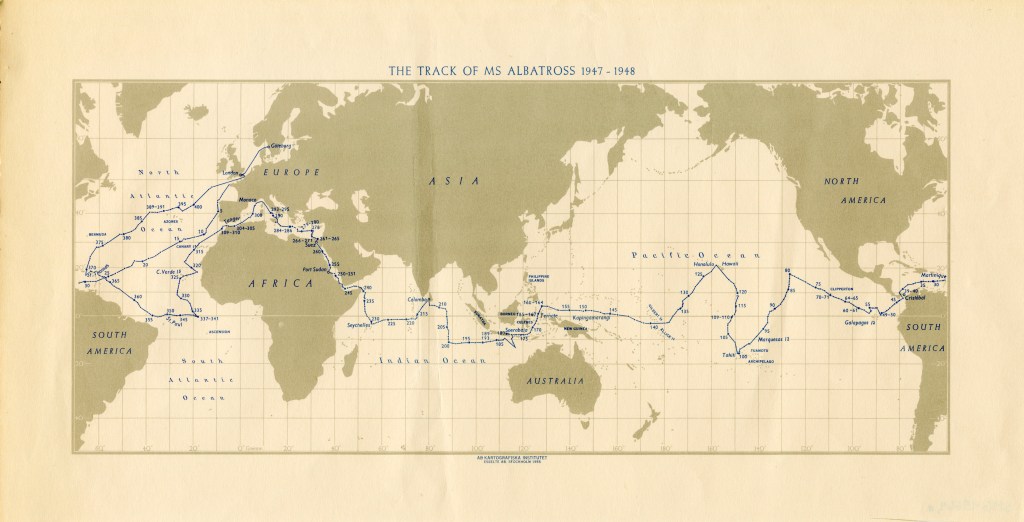
The Albatross Expedition, 1947–1948, set course from Gothenburg and reached across the Atlantic, Pacific and Indian Oceans. It became one of Sweden’s largest scientific expeditions, set out to explore the depths of the oceans in a new way. Over 15 months, participants travelled a total of 45,000 nautical miles.
The Albatross Expedition
In the 1940’s the deep seas were almost entirely unexplored. The expedition received significant attention in the contemporary press but later faded into obscurity. However, researchers from around the world have long studied the collected material.
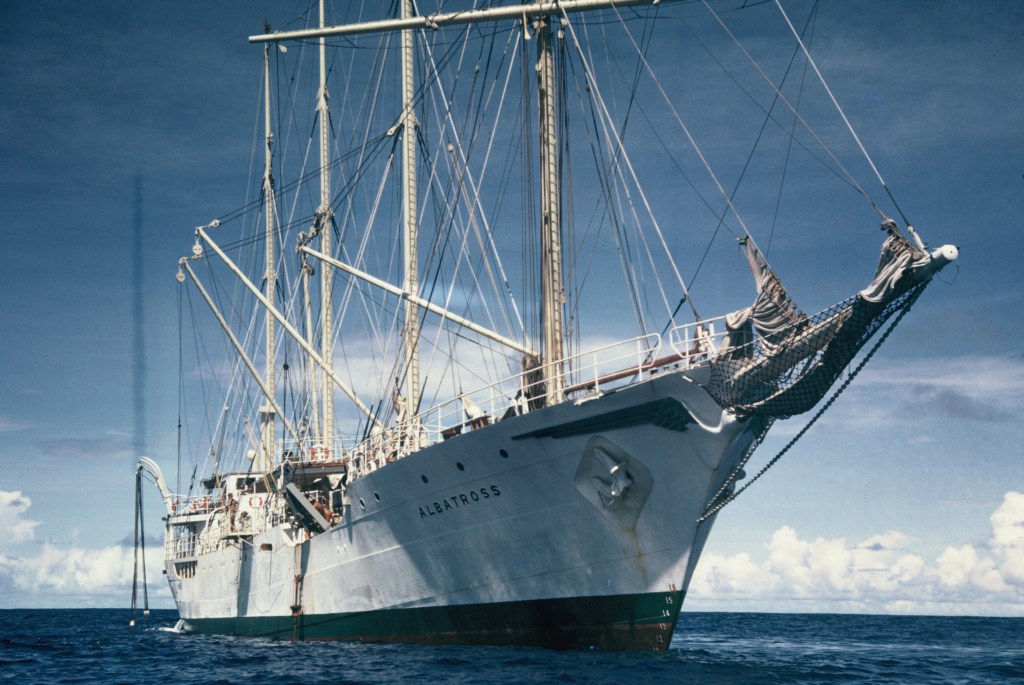
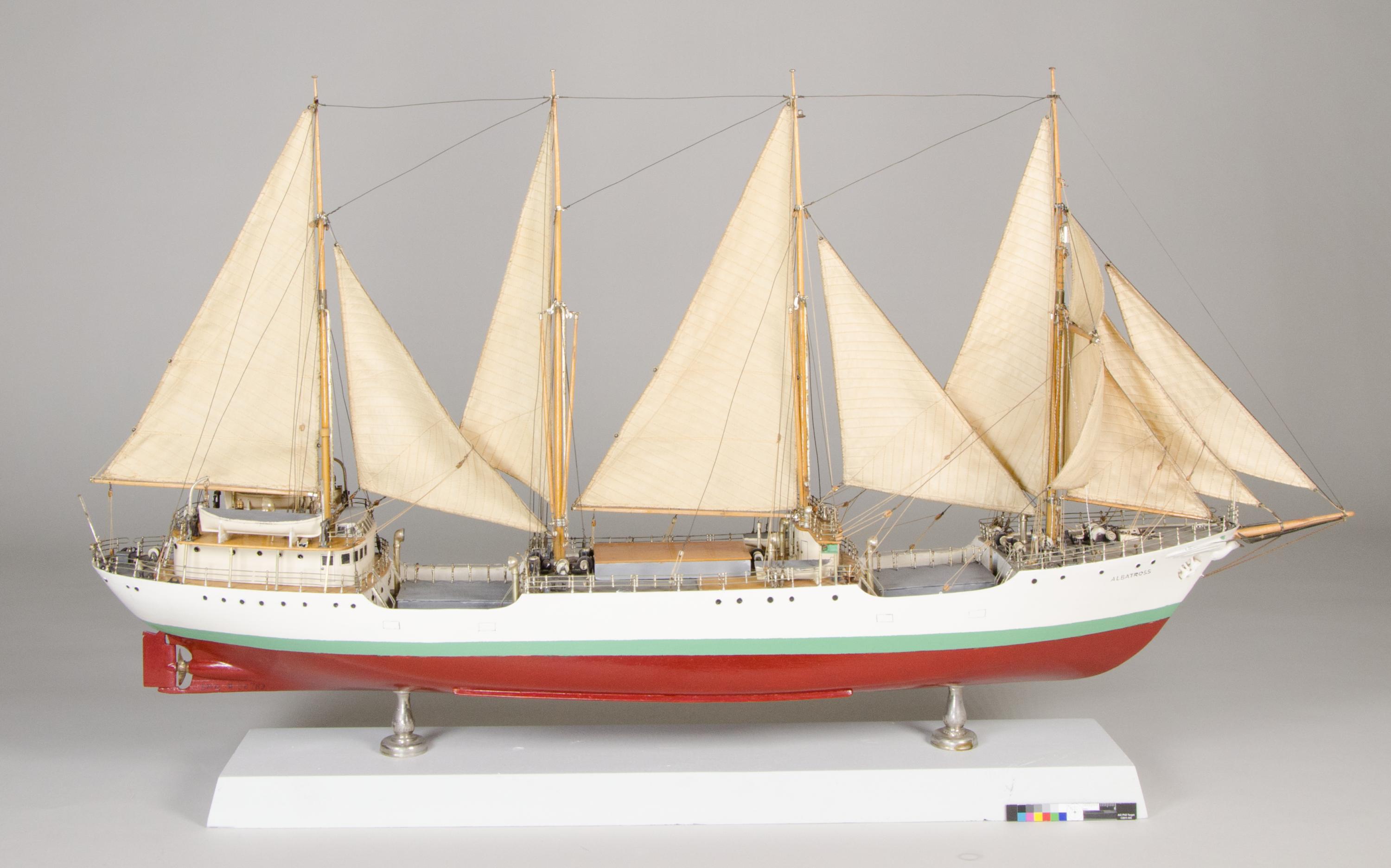
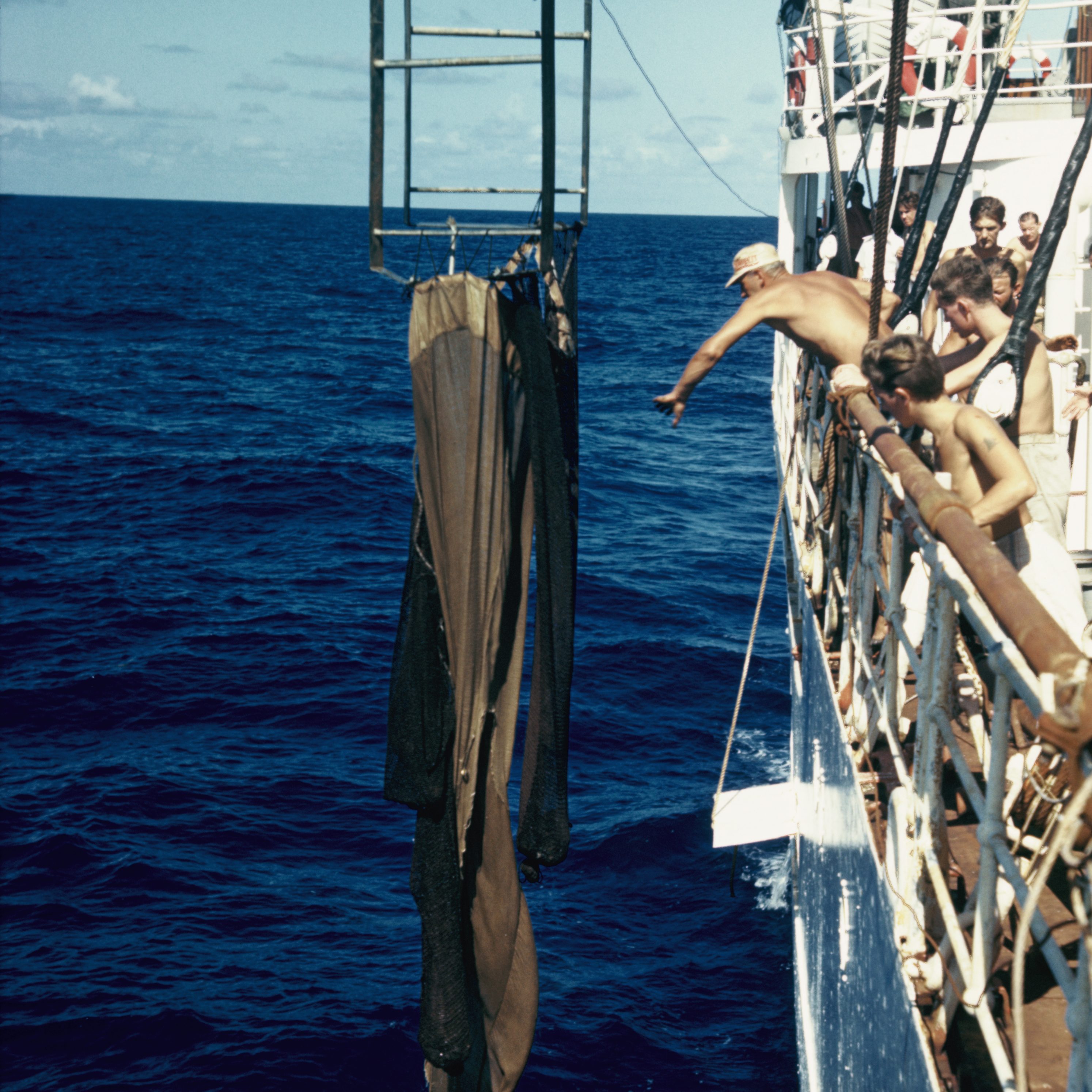
The initiator of the deep-sea expedition was Professor of Oceanography Hans Pettersson and it was partially funded by businessmen Gustaf Werner and Herbert Jacobsson from Gothenburg. Local shipowner Dan Broström lent the ship Albatross to the expedition, which took the ship’s name. The Albatross was built in 1942 at the Lindholmen shipyard in Gothenburg. It was a training ship with both sails and an engine. Prior to the expedition, the ship was rebuilt and equipped with laboratories and scientific instruments. It was also fitted with special propellers capable of holding the ship steady during sampling. Due to World War II the expedition was delayed for eight years, but on July 4, 1947, they were able to set off.
Researching the bottom of the sea
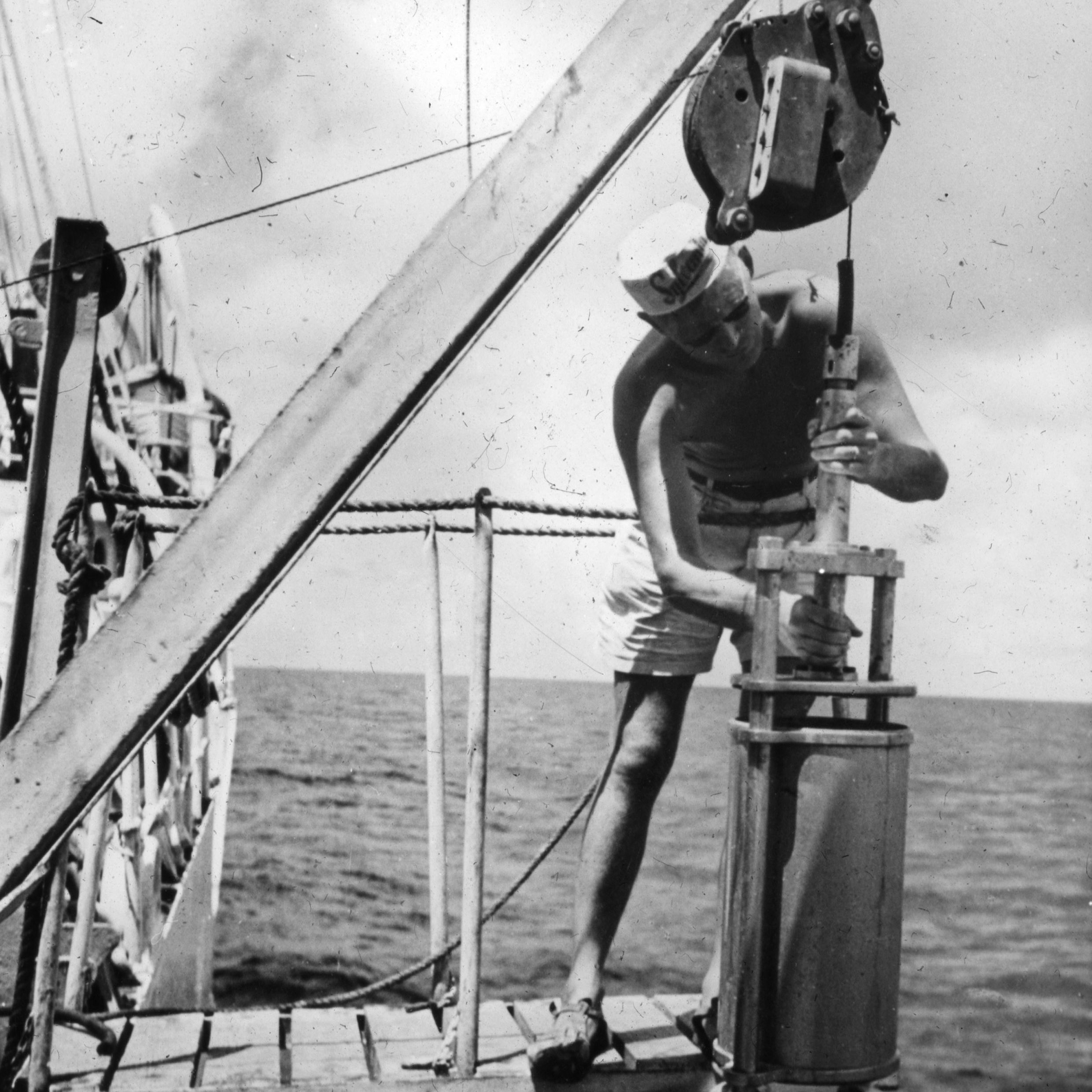
During the expedition, various oceanographic studies were conducted to explore the bottom of the deep sea and its marine life. Research revealed that the ocean floors were not as flat and lifeless as previously believed.

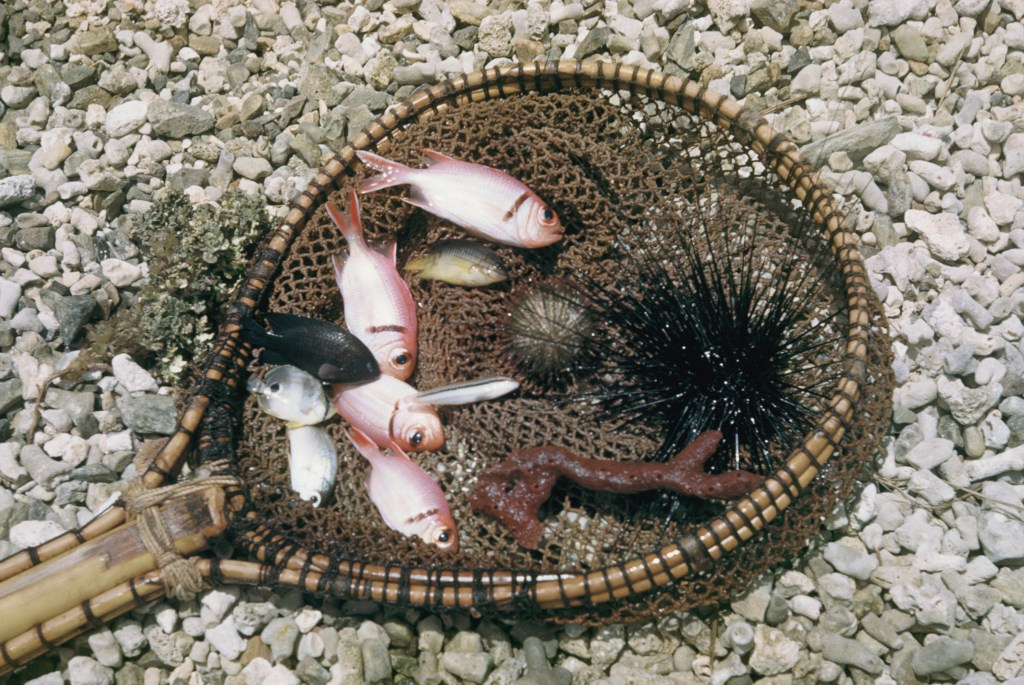
The Albatross Expedition encompassed research in several scientific areas. In particular, investigations focused on deep-sea sediments, seabed conditions, seawater temperature, salinity, radiation, and light conditions. Additionally, plants and animals on islands were explored. The vast amount of data collected was analyzed at the Oceanographic Institute in Gothenburg, and many of the collected specimens ended up in the Gothenburg Natural History Museum.
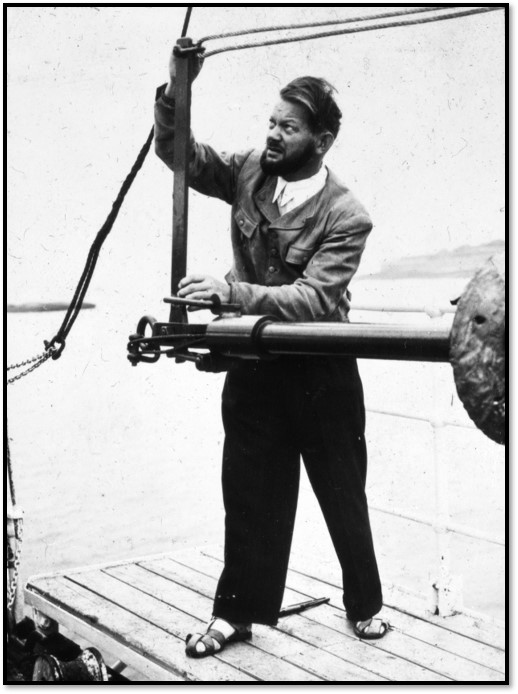
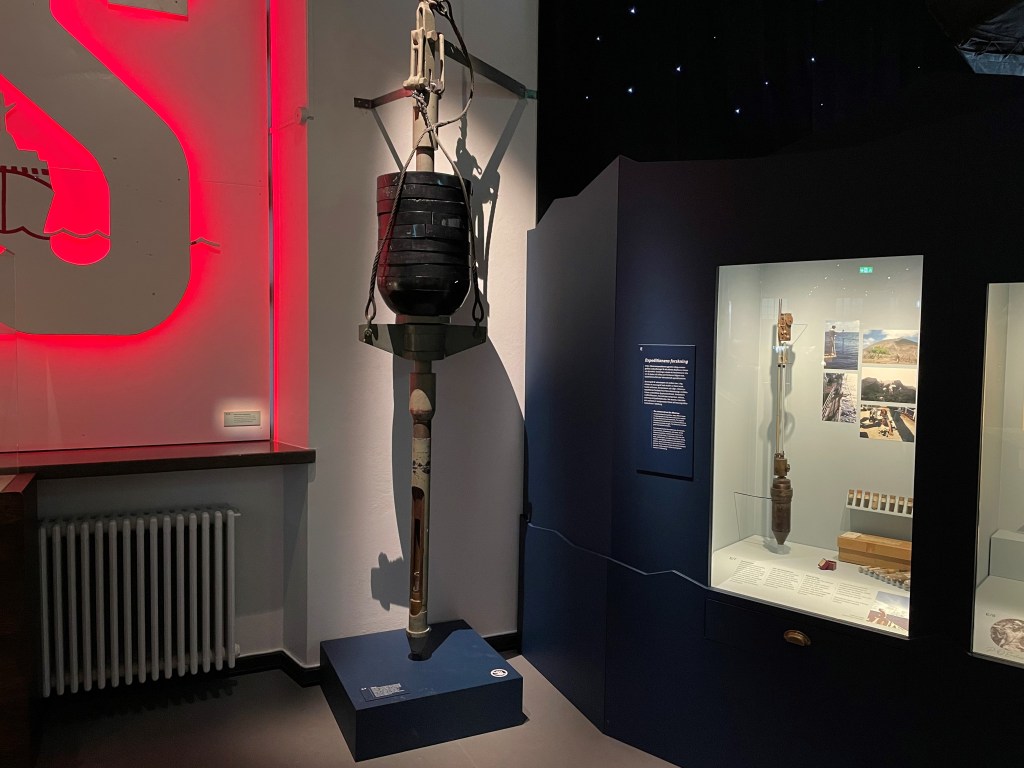
The Kullenberg Gravity Corer – a groundbreaking invention
Corers were used to retrieve sediment from the ocean floor. Previously, researchers had only been able to penetrate a few meters into the sediment, but with the invention of the gravity corer, they could reach 20 meters into the sediment, at depths of several thousand meters. The sediment samples revealed the Earth’s climate history over millions of years.
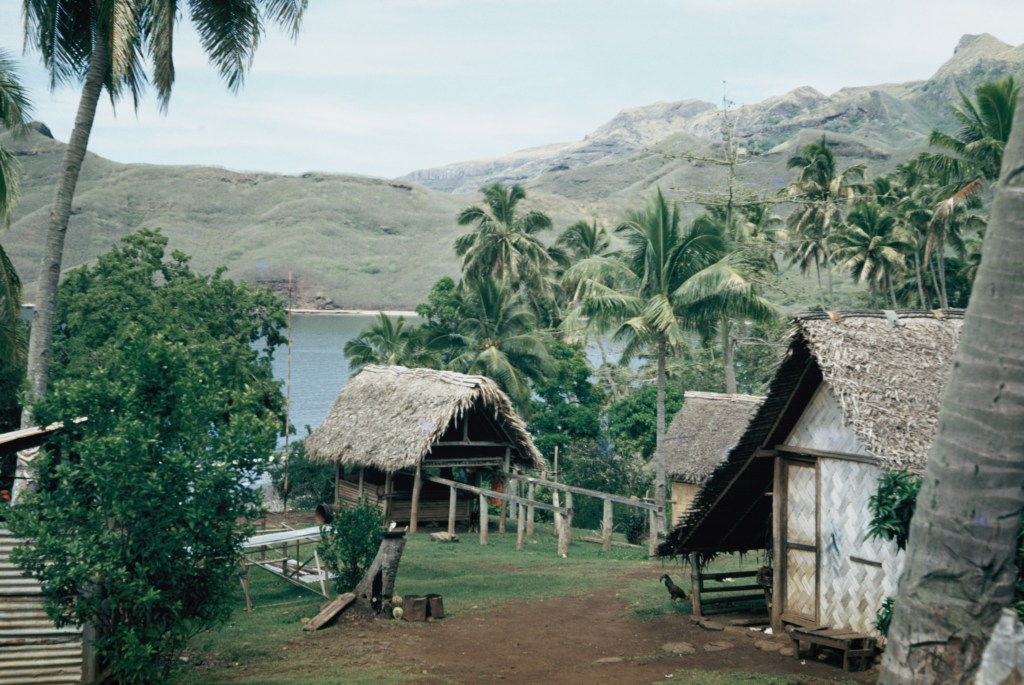
Exploring new cultures
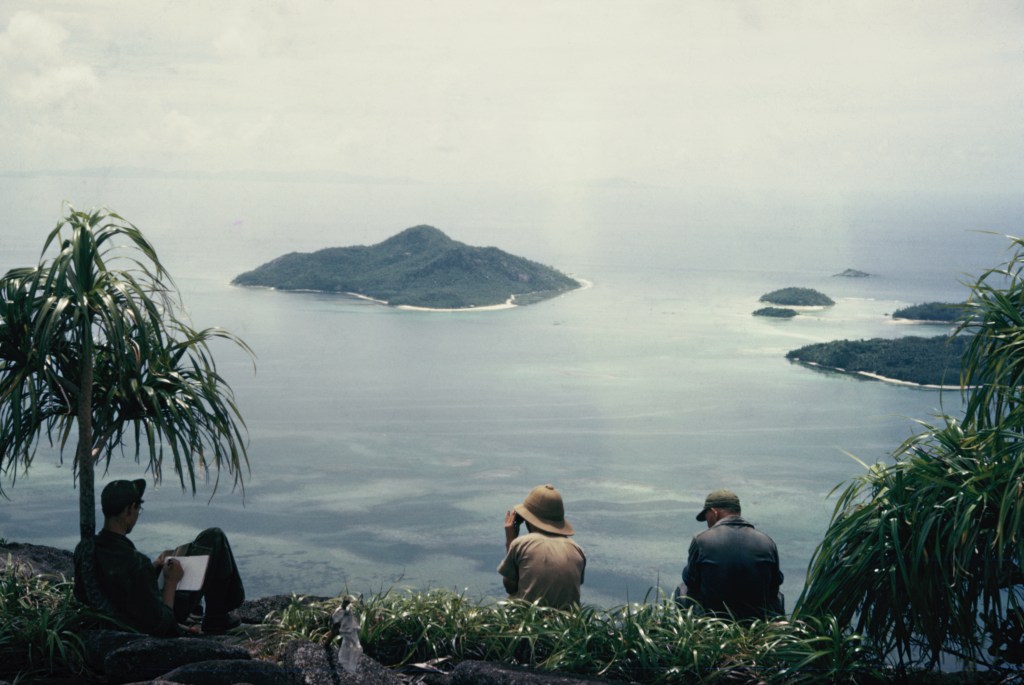
While the primary purpose of the Albatross Expedition was to study the deep sea, during the journey the participants naturally encountered local inhabitants and cultures that were foreign to the Swedes. In more populated areas, expedition members primarily socialized with other Europeans and Americans. They were received by governors and official representatives who hosted dinners and festivities.
In less populated or more remote areas, participants mostly interacted with local guides and interpreters. Notes from the expedition describe these places as exotic paradises with friendly people, but also as “simple” and “primitive.” Although the participants of the Albatross Expedition mostly resembled present-day tourists when they came ashore, colonial perspectives persisted in the 1940s.
Film and photography document the journey
The expedition’s medical doctor John Eriksson also served as the expedition’s photographer and was responsible for the land excursions conducted on the islands along the route. Both plants and animals were studied and collected for research purposes. Eriksson took around 1000 photos and filmed 10 hours of footage during the expedition. The recently opened permanent exhibition “Sea of Stories” features the film “Deep Seas and Volcanic Islands – John Eriksson’s Albatross Expedition 1947-1948” Welcome to see the film, and the other objects that are part of the exhibition “Sea of Stories”.
Find out more about the Albatross in this article posted by the University of Gothenburg: The Swedish Albatross expedition provided invaluable knowledge about the sea | University of Gothenburg (gu.se)
 History of Oceanography